
Maintaining Your Solar Facility: A Practical Checklist
One of solar’s biggest selling points is also a source of quiet complacency: with no moving parts, a solar array can genuinely run for years with almost no attention. But “almost no attention” isn’t “zero attention,” and the facilities that get the full 20-plus-year lifespan out of their system are the ones with a simple, consistent maintenance routine.

What to check, and how often
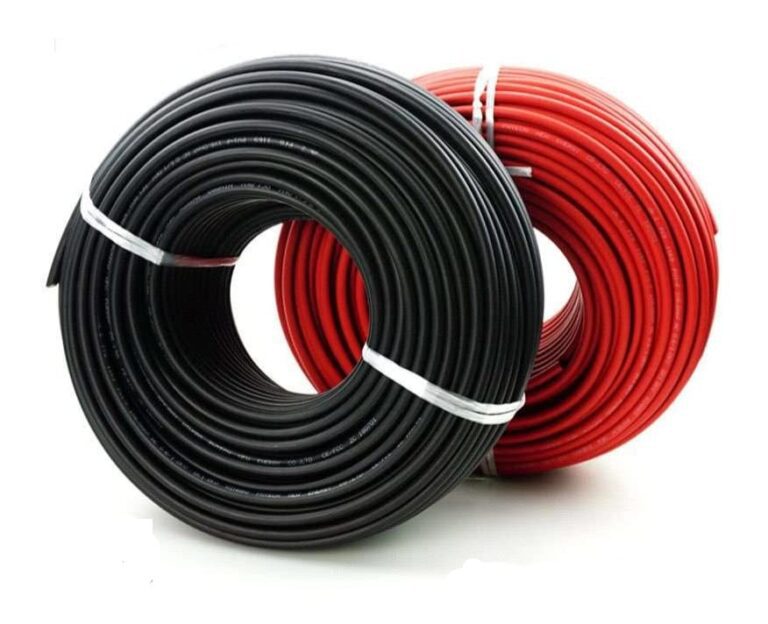
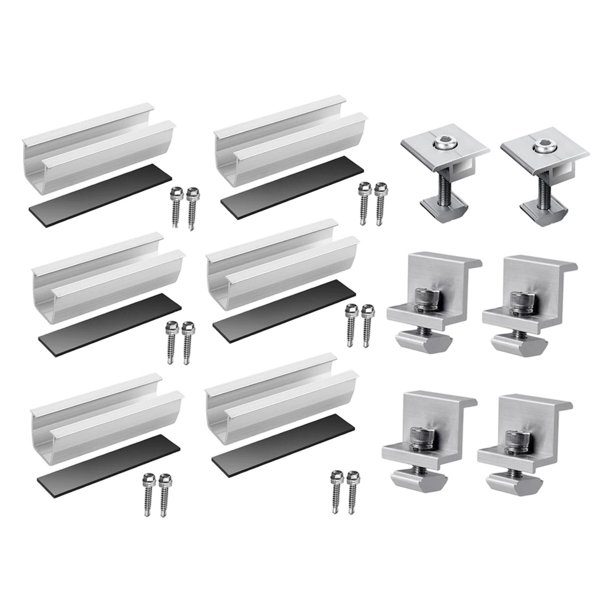
- Visual inspection (quarterly): look for cracked panels, loose clamps, corrosion at mounting points, and any visible cable damage.
- Cleaning (as needed by local dust/pollen conditions): a dusty or bird-dropping-covered panel can lose a meaningful percentage of output until it’s cleaned.
- Inverter check (monthly): most modern inverters log fault codes and performance data — a quick review catches problems long before they become visible in the monthly bill.
- Earthing and connector check (annually): connectors and earthing clips are the components most likely to loosen or corrode over years of thermal cycling.
Why monitoring matters more than inspection alone
A panel-level or string-level monitoring system catches gradual output decline — from shading, soiling, or a failing connector — far earlier than a visual inspection ever will, because it’s comparing actual output against expected output every single day. For any facility-scale installation, the cost of a proper monitoring setup is small compared to the value of catching a slowly degrading string before it becomes a real repair.

Leave a Reply