
Inside a Modern Solar-Plus-Battery Microgrid
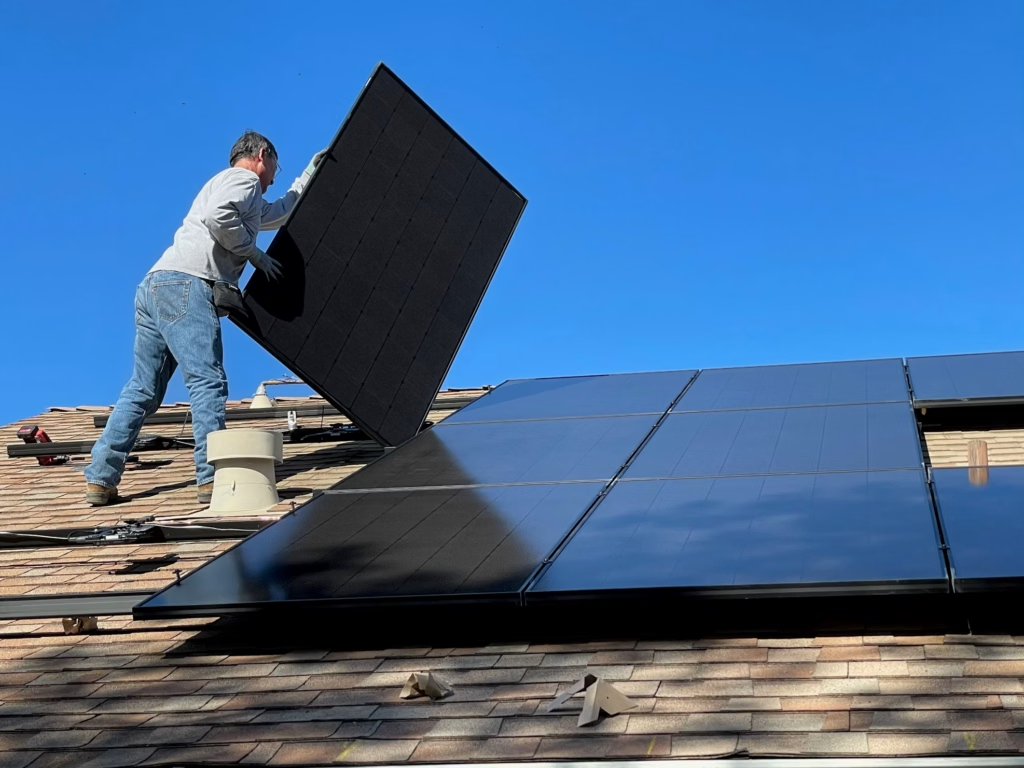
A microgrid is exactly what it sounds like — a small, self-contained version of the electrical grid, sized to a single facility or campus, that can operate connected to the wider utility grid or completely independent of it. Solar generation paired with battery storage is now the most common foundation for these systems, because it’s the combination that can actually keep critical loads running through an extended outage rather than just riding through a brief one.
The role of the control system
What separates a microgrid from a simple solar-plus-battery installation is the control layer sitting on top of it — software and hardware that continuously decides whether to draw from solar, battery, or the grid, and that can island the facility from the grid automatically the moment it detects an outage. Getting this transition right, in a fraction of a second, without disrupting sensitive equipment, is the actual engineering challenge behind every microgrid deployment.
Where microgrids make sense
Hospitals, data centers, water treatment plants, and manufacturing facilities with continuous processes are the classic candidates — anywhere an outage doesn’t just mean inconvenience but real operational or safety risk. As battery costs have fallen, the same logic increasingly applies to mid-sized commercial facilities that simply can’t tolerate the frequency of grid interruptions in their region.

Leave a Reply