
Aluminium Mounting Structures: The Backbone of Every Solar Array
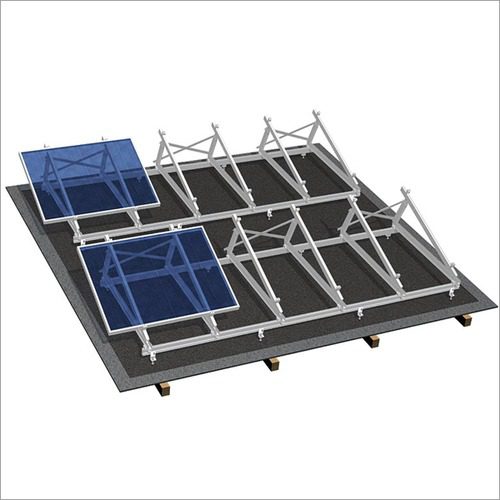
Every solar installation is judged by its panels and its output figures, but the part actually holding the array together — the mounting structure — rarely gets a second look until something goes wrong. Rails, clamps, L-feet, and end/mid clamps form a structural system that has to survive uplift wind loads, thermal cycling, and, on a metal roof, direct exposure to rain and salt air for two decades or more.
Why aluminium
Aluminium is the standard material for this job for a simple reason: it doesn’t rust. A steel structure exposed to monsoon humidity for years will corrode at exactly the points — bolts, clamps, roof penetrations — where structural failure would matter most. Aluminium forms a stable oxide layer that protects it without ongoing maintenance, and it’s light enough that the extra structural weight added to a roof is minimal.
The rail itself is only half the system. Mid-clamps and end-clamps grip each panel’s frame at specific points defined by the panel manufacturer’s load-testing data — clamp in the wrong spot and you can void the panel warranty even if everything looks fine on installation day.
Getting the spacing right
Rail spacing, L-feet placement, and earthing clips all have to be planned before a single hole is drilled into the roof. Get the spans wrong and the rail will flex under wind load over years of use; get the earthing wrong and you’ve got a fire-code problem hiding behind a perfectly good-looking array. It’s unglamorous work, but it’s the reason a well-built solar array is still producing at full output fifteen years after installation.
Leave a Reply