
How Rooftop Solar Panel Systems Power Modern Homes
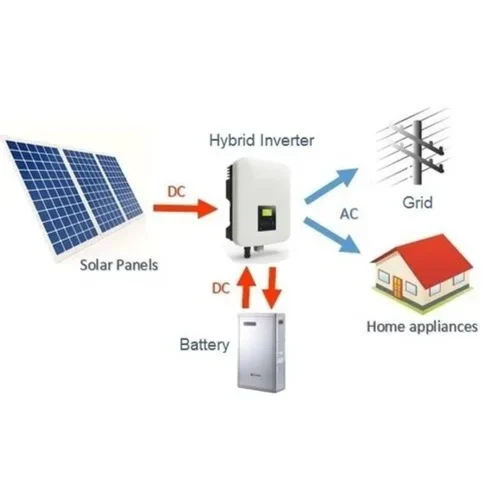
A rooftop solar system looks simple from the street — a grid of dark panels bolted to the roof — but underneath that grid is a small power plant working in real time. Sunlight hits the panels, and photovoltaic cells inside them convert that light directly into direct current (DC) electricity. From there, the system has to do some real engineering before that power is useful in a house built around AC appliances.
From sunlight to socket
The DC electricity generated by the panels first travels through the mounting rails and cabling to an inverter, which converts it into the alternating current (AC) that household wiring, appliances, and the grid all expect. On most residential installs, this inverter sits in a garage, utility closet, or on an exterior wall, close to both the main panel and the roof feed.
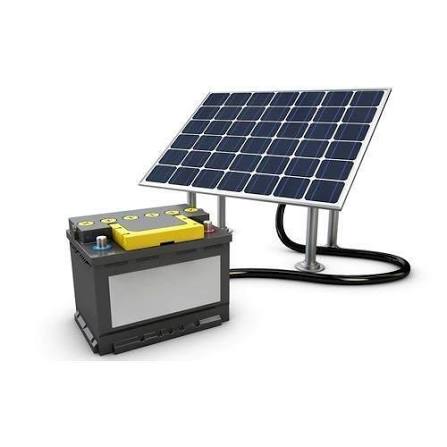
Once converted, that power flows into the home’s electrical panel exactly like grid electricity does — the difference is invisible to anything plugged into a wall socket. If the system produces more than the house is using at that moment, the surplus either charges a battery (if one is installed) or is exported to the grid, often earning a credit through net metering.
Why the mounting structure matters
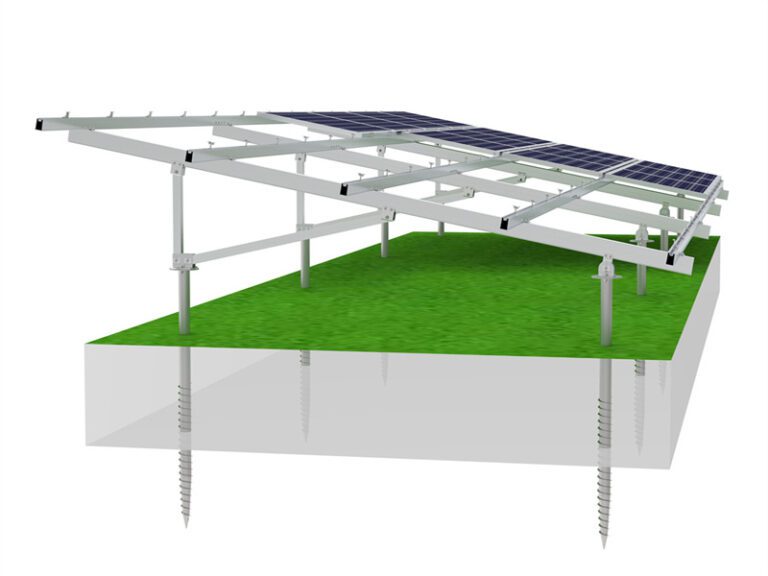
None of this works without a mounting structure that can survive years of wind load, thermal expansion, and monsoon rain — which is why rail material, clamp spacing, and roof penetration sealing matter just as much as the panels themselves. A well-engineered aluminium rail system keeps the array rigid and properly angled toward the sun for the life of the installation, not just on install day.
For most homes, a correctly sized rooftop system covers a meaningful share of daytime electricity use, with the exact percentage depending on roof orientation, shading, and how the household’s usage lines up with daylight hours.

Leave a Reply