
Solar Battery Storage 101: Keeping the Lights On After Sunset
Solar panels only generate power while the sun is up, but most electricity use happens in the evening — cooking, lighting, and appliances all peak right around when solar production is dropping to zero. A battery is what bridges that gap, storing the midday surplus and releasing it exactly when the household or facility needs it most.
How it fits into the system
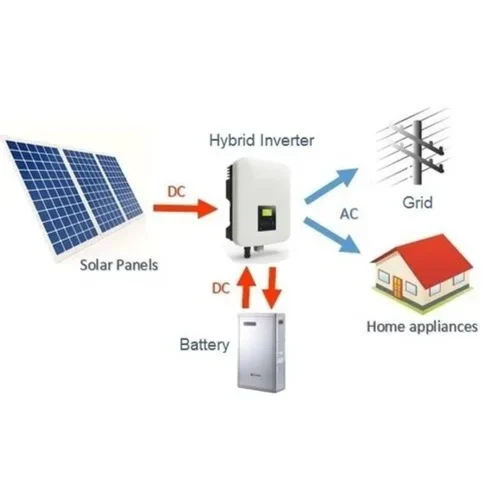
A battery bank sits between the solar inverter (or its own dedicated hybrid inverter) and the electrical panel, charging from excess solar production during the day and discharging on demand once the sun goes down or during a grid outage. For sites that experience frequent load-shedding, this is often the single most valuable part of the whole system — it’s what keeps essential circuits running when the grid itself can’t be relied on.
Battery chemistry matters here. Lithium-based batteries have largely replaced older lead-acid designs for new installations because they tolerate deeper discharge cycles, last significantly longer, and take up less physical space for the same usable capacity.
Sizing it correctly
The number printed on a battery’s spec sheet is rarely the number that matters for planning — what matters is usable capacity after accounting for the depth of discharge the manufacturer recommends, and how that lines up against actual evening and night-time load. A battery sized purely against total daily consumption, without factoring in backup scenarios or a facility’s critical-load circuits, tends to disappoint the first time it’s actually needed during an outage.

Leave a Reply