
Solar Panel Technology Explained: From Cells to Clean Power
Every solar panel is built around the same basic idea — a semiconductor material, almost always silicon, that generates an electrical current when photons from sunlight strike it. But the specific technology used to build that cell has evolved considerably, and the difference between generations of panel technology shows up directly in efficiency and long-term output.
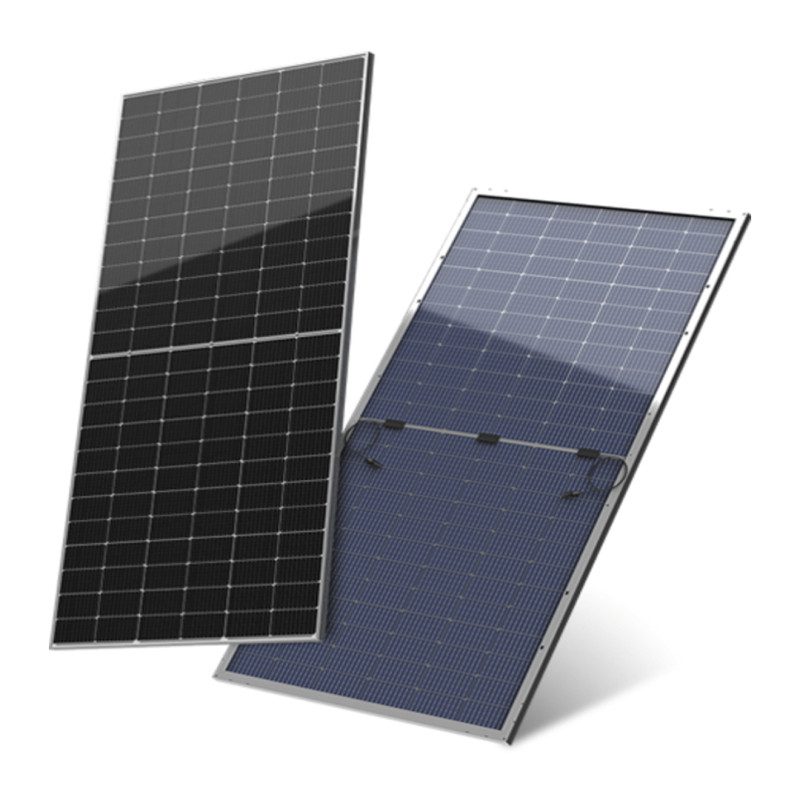
Mono vs. poly, and why it still matters
Monocrystalline cells, cut from a single continuous silicon crystal, are more efficient and perform better in partial shade or high-temperature conditions than older polycrystalline cells, which are made from multiple silicon fragments melted together. That efficiency difference is exactly why monocrystalline has become the standard for most new installations, even at a modest cost premium.
What “N-type” and newer cell designs actually change
Newer cell architectures — N-type cells being a good current example — reduce a specific kind of efficiency loss that happens as panels age and heat up over years of operation, which means a panel built on this technology doesn’t just start out slightly more efficient, it also degrades more slowly over its 20–25 year lifespan. For a facility planning around decades of production, that slower degradation curve often matters more than the headline efficiency number on day one.

Leave a Reply